Thinking about doing stand-up comedy?
Have you just started getting up on stage?
Want to learn more?
Well, you’re in luck because you have found your resource for everything comedy for the novice stand-up comic.
Comedian ANT is your guide through the shark-infested waters of stand-up comedy.
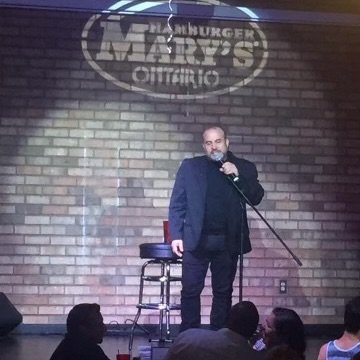
ANT has been performing at comedy clubs across the United States since 1991. He expanded his career into being a TV personality and has a ton of knowledge to share. Whether you are a beginner just dipping your tootsies in the pool or an up-and-coming comedy artist, this site is ANT’s gift to you.
Muah!
Here’s the latest advice from ANT!

Corporate gigs are the glamorous cousin of stand-up. Same job (make strangers laugh), different setting (ballroom carpet that looks like it was designed by a committee of migraines).
For up-and-coming comedians, campus shows can be a cheat code: big rooms, built-in audiences, and a real pipeline if you don’t treat it like spring break with a microphone.
You can absolutely make it — yes, you — but only if you’re willing to show up with humility, discipline, and that unstoppable spark that made you fall in love with comedy in the first place.
Be the comic who shows up ready, delivers the goods, thanks everyone, leaves no mess, and follows up with class. That’s how you build a reputation.
Recording every set isn’t harsh. It’s hopeful.
It’s a declaration that you want to grow, evolve, and get funnier faster.
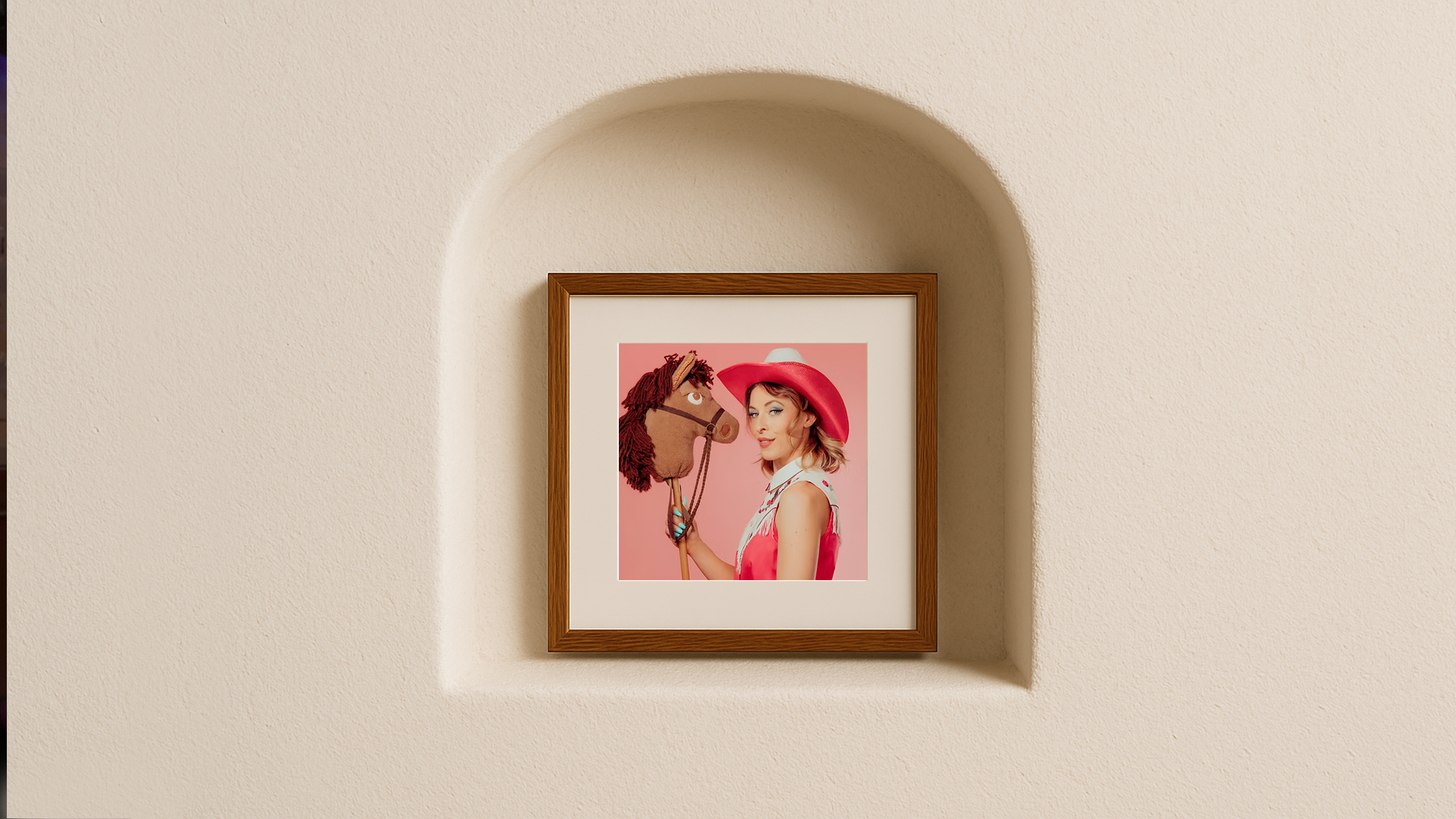
Maxi Witrak didn’t grow by playing it safe — she embraced her horse-girl identity and turned it into her brand. A niche isn’t a limitation; it’s a magnet. When you claim your lane boldly, audiences connect faster and stay longer.
Some comics write. Others riff. And then there are the wizards—people like Matteo Lane—who walk on stage with nothing but a microphone and confidence, and somehow spin spontaneous crowd chatter into a fully realized set. So how do you do that—build a set out of thin air? Let’s break it down.
Every comedian has a “process.” Some meditate. Some free-write. Some stare into the abyss until it blinks first. My process? It’s what I like to call structured procrastination with a punchline.
Every comic hears it at some point: “We can’t pay you, but it’s great exposure!” Exposure? Honey, I’ve been exposed before — mostly to the flu — and it wasn’t that great.
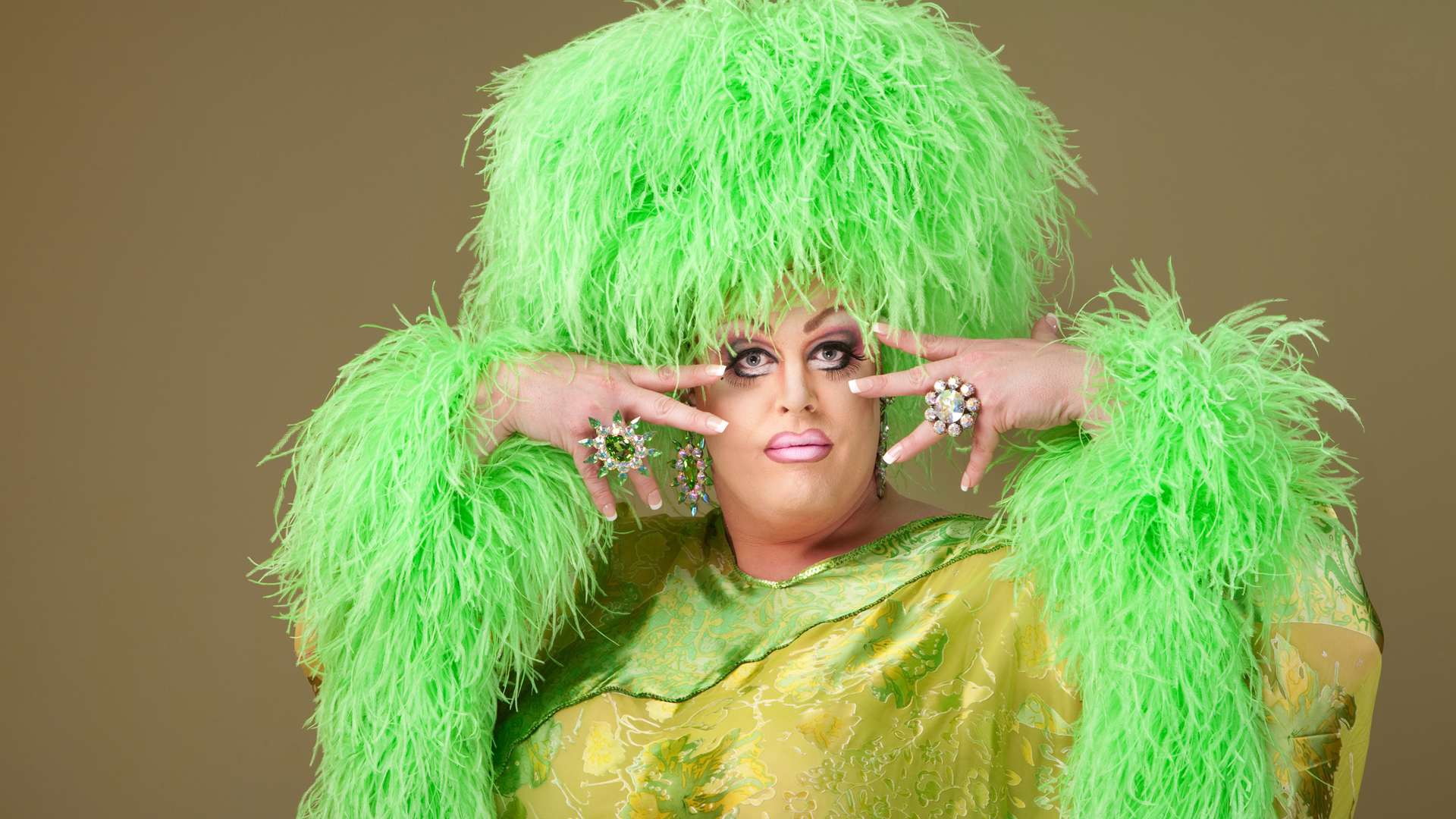
Comedy and drag share the same secret: stage presence isn’t about ego. It’s about generosity. It’s saying, “You gave me your attention, and I’m going to make it worth it.”
Start thinking of yourself not just as a comedian—but as a comedy consultant. Your comedic talent isn’t just for the stage—it’s a toolkit that businesses, wedding parties, and overconfident executives desperately need.
Whether you’re a new comic staring at an open mic list or a seasoned pro rebuilding after a material purge, crafting a tight five from scratch can feel like trying to assemble IKEA furniture without the instructions—or the Allen wrench. So let’s fix that.
Let me guess: You crack a joke at dinner and your kids give you that look. You know the one. The “Wow, Dad, please stop” look.
Don’t let it fool you. You’re funnier than you think. Your family just has immunity—like comedy vaccine boosters.
So, you’ve fallen head over heels for stand-up comedy. You’ve stood under the harsh glow of a single spotlight, told jokes to five strangers (and two of them laughed!), and now your Notes app is a graveyard of punchlines and half-formed setups.
You’ve caught the bug. And now comes the next terrifying challenge: telling your family.
You might be too fabulous. You might be too interesting. You might have too many hilarious life stories that younger comics would kill for. But too old? Nah.
Let me tell you something right out of the gate: every crappy job you’ve ever had is a comedy goldmine. You may not realize it now, but one day you’ll look back and say, “That humiliation paid my rent in laughs.”
Just getting started? ANT drops some knowledge on you.
Why would I want to be a stand-up comic?
There are several compelling reasons for becoming a stand-up comedian, however, it's important to note that being a stand-up comedian requires dedication, persistence, and resilience. It can be a challenging career path, but for those who are passionate about comedy, the rewards can be tremendous. Plus it’s just fun!
Be the comic who shows up ready, delivers the goods, thanks everyone, leaves no mess, and follows up with class. That’s how you build a reputation.
Every comedian has a “process.” Some meditate. Some free-write. Some stare into the abyss until it blinks first. My process? It’s what I like to call structured procrastination with a punchline.
Let me guess: You crack a joke at dinner and your kids give you that look. You know the one. The “Wow, Dad, please stop” look.
Don’t let it fool you. You’re funnier than you think. Your family just has immunity—like comedy vaccine boosters.
So, you’ve fallen head over heels for stand-up comedy. You’ve stood under the harsh glow of a single spotlight, told jokes to five strangers (and two of them laughed!), and now your Notes app is a graveyard of punchlines and half-formed setups.
You’ve caught the bug. And now comes the next terrifying challenge: telling your family.
You might be too fabulous. You might be too interesting. You might have too many hilarious life stories that younger comics would kill for. But too old? Nah.
Let me tell you something right out of the gate: every crappy job you’ve ever had is a comedy goldmine. You may not realize it now, but one day you’ll look back and say, “That humiliation paid my rent in laughs.”
So you’ve decided to dive into stand-up comedy. Congrats, you delightful masochist! You’ve found the one profession where emotional trauma is a resume booster. And now you’re standing in the back of a dark open mic, nervously clutching a notebook filled with half-thoughts and doodles that may or may not be punchlines…
So what’s a quick-witted, stage-starved comic to do when the gigs dry up and the landlord doesn’t accept “exposure” as payment? Here's my guide to side hustles for comics who want to survive the slow seasons without selling their soul or their self-respect.
If you’re feeling the icy grip of panic as you wait to grab the mic, congratulations — you’re alive, and you care. That fear is not the enemy. But letting it own you? That we’re not doing. Here's how to deal with stage fright like the professional funny person you're becoming.
If you're reading this, you're probably wondering how to get more than five minutes in the back of a pizza place at midnight. Well, buckle up, baby, because I’ve got the inside scoop.
Comedy isn’t just about being funny. It’s about being brave, resilient, and just a little nuts (in the best way). If you’ve got the heart, I promise you can build the rest.
Look at you. Sitting there, reading a blog post written by a fabulous gay man with cheekbones sharp enough to cut glass, wondering if you’ve got what it takes to do stand-up comedy. First of all—good taste. Second—maybe.
Great question. I’ve asked myself this very thing—usually right after bombing in a bar show next to a Golden Tee machine while a drunk guy yells “YOU SUCK, ELLEN!” (I mean… thank you?).
Alright, buckle up, buttercups! We’re diving into a comedy controversy hotter than my aunt’s chardonnay breath at Thanksgiving: Is crowd work considered standup?
Look, not every joke is gonna be a winner. Some jokes just aren’t meant to live past their first awkward chuckle—or worse, that silent vacuum where laughter should be but instead, you just hear your own self-esteem shattering like a glass dropped in a nightclub bathroom.
Congrats! You’ve jumped into the deep end of the pool!
So, you’ve tried an open mic and you got bitten by the comedy bug.... Now what do you need to know?
Corporate gigs are the glamorous cousin of stand-up. Same job (make strangers laugh), different setting (ballroom carpet that looks like it was designed by a committee of migraines).
For up-and-coming comedians, campus shows can be a cheat code: big rooms, built-in audiences, and a real pipeline if you don’t treat it like spring break with a microphone.
You can absolutely make it — yes, you — but only if you’re willing to show up with humility, discipline, and that unstoppable spark that made you fall in love with comedy in the first place.
Be the comic who shows up ready, delivers the goods, thanks everyone, leaves no mess, and follows up with class. That’s how you build a reputation.
Recording every set isn’t harsh. It’s hopeful.
It’s a declaration that you want to grow, evolve, and get funnier faster.
Maxi Witrak didn’t grow by playing it safe — she embraced her horse-girl identity and turned it into her brand. A niche isn’t a limitation; it’s a magnet. When you claim your lane boldly, audiences connect faster and stay longer.
Every comedian has a “process.” Some meditate. Some free-write. Some stare into the abyss until it blinks first. My process? It’s what I like to call structured procrastination with a punchline.
Every comic hears it at some point: “We can’t pay you, but it’s great exposure!” Exposure? Honey, I’ve been exposed before — mostly to the flu — and it wasn’t that great.
Comedy and drag share the same secret: stage presence isn’t about ego. It’s about generosity. It’s saying, “You gave me your attention, and I’m going to make it worth it.”
Start thinking of yourself not just as a comedian—but as a comedy consultant. Your comedic talent isn’t just for the stage—it’s a toolkit that businesses, wedding parties, and overconfident executives desperately need.
Whether you’re a new comic staring at an open mic list or a seasoned pro rebuilding after a material purge, crafting a tight five from scratch can feel like trying to assemble IKEA furniture without the instructions—or the Allen wrench. So let’s fix that.
Let me guess: You crack a joke at dinner and your kids give you that look. You know the one. The “Wow, Dad, please stop” look.
Don’t let it fool you. You’re funnier than you think. Your family just has immunity—like comedy vaccine boosters.
You need headshots, reels, social media, a LinkedIn you never update—and yes, a website. Welcome to showbiz in the age of Wi-Fi, darling.
Stand-up comedy is a bizzare career. It’s equal parts art, therapy, improv, and chaos with a mic. When you start, you think it’s all about being funny — and sure, that’s the goal. But along the way, you’ll discover things no one warned you about.
Open mics are wild. They’re part performance, part group therapy, and part fever dream hosted in the back of a brewery with one working mic and a light controlled by someone named Devin. But here’s the secret: they’re also incredible.
Congratulations, darlings! You’ve really leveled up.
You’re writing every day, you’re getting up on stage regularly, and you really might be thinking about making this your vocation. Here are some things you need to think about.
Corporate gigs are the glamorous cousin of stand-up. Same job (make strangers laugh), different setting (ballroom carpet that looks like it was designed by a committee of migraines).
For up-and-coming comedians, campus shows can be a cheat code: big rooms, built-in audiences, and a real pipeline if you don’t treat it like spring break with a microphone.
You can absolutely make it — yes, you — but only if you’re willing to show up with humility, discipline, and that unstoppable spark that made you fall in love with comedy in the first place.
Some comics write. Others riff. And then there are the wizards—people like Matteo Lane—who walk on stage with nothing but a microphone and confidence, and somehow spin spontaneous crowd chatter into a fully realized set. So how do you do that—build a set out of thin air? Let’s break it down.
Every comic hears it at some point: “We can’t pay you, but it’s great exposure!” Exposure? Honey, I’ve been exposed before — mostly to the flu — and it wasn’t that great.
Start thinking of yourself not just as a comedian—but as a comedy consultant. Your comedic talent isn’t just for the stage—it’s a toolkit that businesses, wedding parties, and overconfident executives desperately need.
Look at you—mic in hand, dreams in heart, and a podcast name that’s probably a pun. I’m proud of you already.
If you’ve got a spark, a mic, and a little discipline (or at least a calendar reminder), go for it! A podcast doesn’t have to be perfect—it just has to be you.
Merch isn’t just about making a few bucks—it’s about turning fans into superfans. And superfans? They wear your catchphrase to brunch.
So you’ve been crushing it on stage — killing open mics, owning bar shows, maybe even getting a few real fans who aren’t your mom or your roommate. Now you're eyeing Hollywood, thinking, “Hey, I’m funny. I should be on TV!”
The truth is: there’s no perfect answer. But if you’re smart, prepared, and passionate — it might be closer than you think.
Let’s be real — the early days of comedy are like surviving on ramen, adrenaline, and blind faith. You wonder if you’re making progress or just becoming a permanent fixture at open mics, like that one sticky chair no one wants to sit in. But here’s the good news: you are growing.
Tony wanted to make a living doing stand-up and after years of slinging punchlines and eating rejection for breakfast, Tony finally made their first thousand dollars doing comedy…
Look, not every joke is gonna be a winner. Some jokes just aren’t meant to live past their first awkward chuckle—or worse, that silent vacuum where laughter should be but instead, you just hear your own self-esteem shattering like a glass dropped in a nightclub bathroom.
Let’s talk about accountability groups—you know, those little huddles of hope where people gather, sip oat milk lattes, and say things like, “This week, I vow to be my best self!”
Adorable.
About ANT
Hyper, irreverent, and just downright fabulous, ANT (spelled in caps) has steadily climbed the comedy hill to become one of the most successful comedians of our time. A regular guest on The Tonight Show with Jay Leno and The Tyra Banks show, ANT is the only comedian to appear on all five seasons of NBC’s hit series Last Comic Standing. He is recognized as the host VH1′s Celebrity Fit Club and in the LOGO series U.S. of ANT. ANT ventured out of his comfort zone, appearing in Celebracadabra, a competition show featuring magic and celebrities for ABC. His hit stand-up DVD ANT: America’s Ready and comedy CD Follow My Ass! have sold tens of thousands of copies and are available in stores nationwide and online at every CD/DVD retailer including Amazon. ANT’s new standup comedy blog theant.com is designed to help new and aspiring comedians break into standup comedy and help young comedians hone an act.